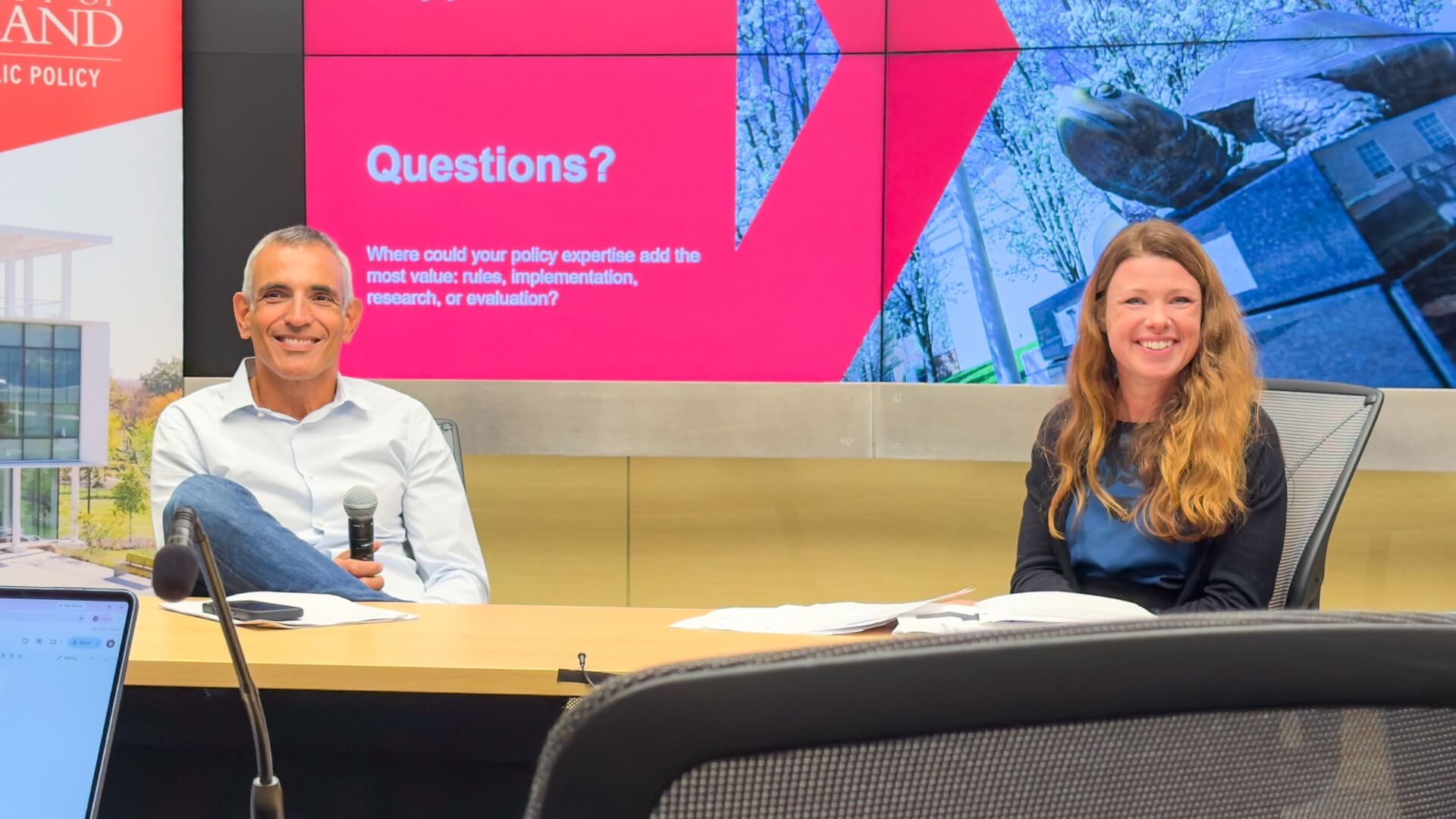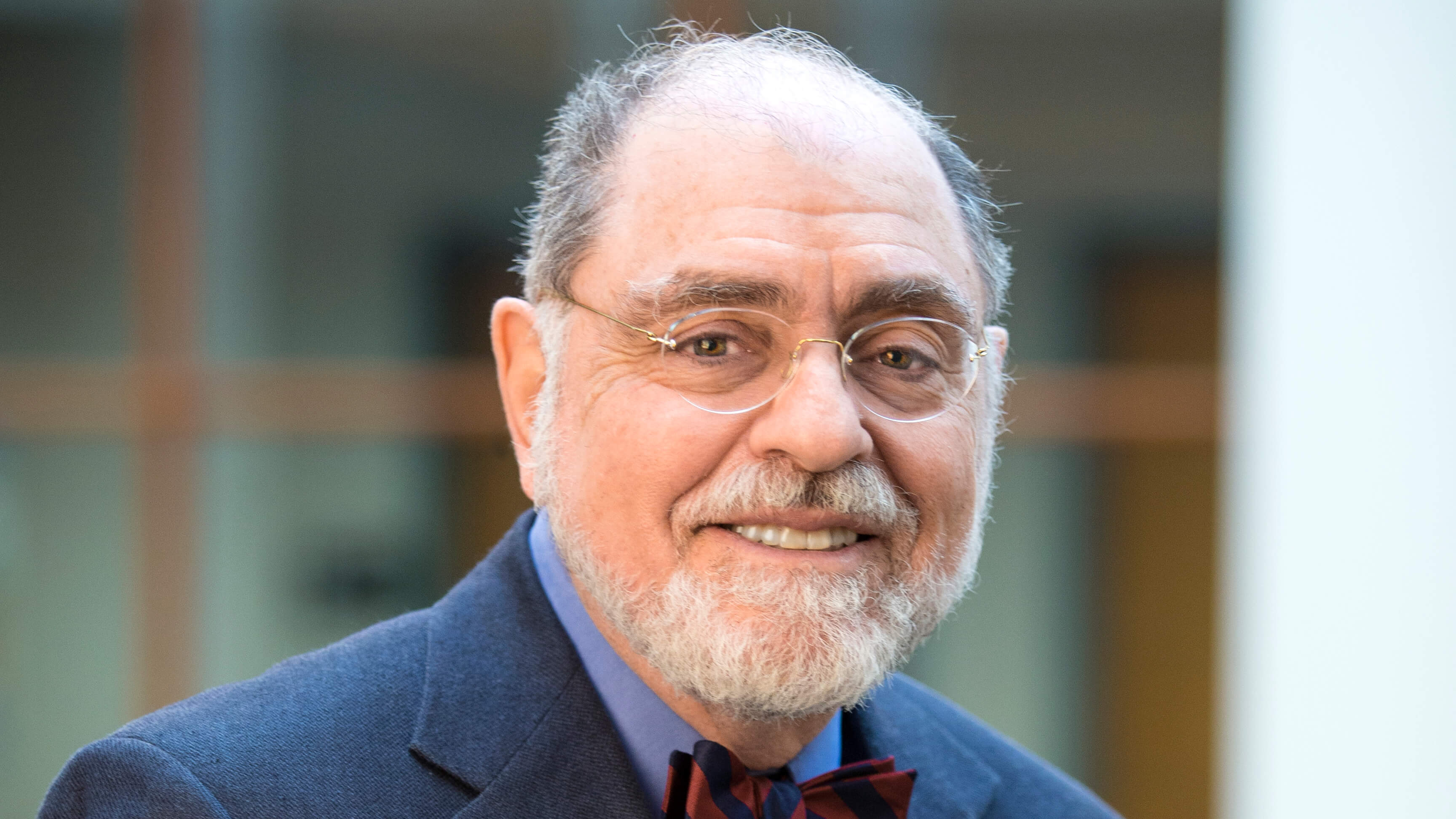
Douglas J. Besharov is a professor at the University of Maryland School of Public Policy, where he teaches courses on social policy, program evaluation and performance management (especially of work force development programs). His research interests include comparative demographics and social policy, with special emphasis on workforce development, social-net programs, children and families and immigration. He is also a senior fellow at the Bipartisan Policy Center.
Between 1985 and 2009, he was also a resident scholar at the American Enterprise Institute for Public Policy Research in Washington, D.C. Between 1975 and 1979, he was the first director of the U.S. National Center on Child Abuse and Neglect. In 2008, he was president of the Association for Public Policy Analysis and Management (APPAM) and, subsequently, APPAM’s international conference coordinator. He is now director of the University of Maryland’s Welfare Reform Academy and its Center for International Policy Exchanges.
Together with Neil Gilbert of the University of California (Berkeley), Professor Besharov is co-editor-in-chief of the Oxford University Press Library on International Social Policy. Among his eighteen books is Recognizing Child Abuse: A Guide for the Concerned, a book designed to help professionals and laypersons identify and report suspected child abuse. He has written more than 250 articles, and has contributed to The Los Angeles Times, The New York Times, The Wall Street Journal, and The Washington Post.
- Welfare reform; child abuse/child welfare; family policy
Provides students with the knowledge and skills needed to understand, describe, and critique program evaluations, and also to identify the policy implications of specific findings. Using examples from domestic policy and international development, the course covers (1) process and summative evaluation issues, including data collection, causal validity, and generalizability; (2) economic evaluations, including cost-effectiveness and cost-benefit studies; and (3) performance measurement of ongoing programs.
Schedule of Classes
Examines how governments and policymakers define poverty and the extent and demographics of contemporary poverty in the United States, other developed countries, and developing countries. Looks in detail at the official U.S. poverty measure and the Supplemental Poverty Measure developed by the Obama administration, as well as those developed by the World Bank and other international organizations. Explores the causes of poverty in the developed and developing world, and efforts to alleviate poverty over the last fifty years, focusing in the U.S. on income transfers, civil rights and equal opportunity, and efforts to increase human and social capital (with a special focus on children, the elderly, and minorities), and focusing in the developing world on infrastructure development, governance, and corruption. Restricted to PLCY majors or permission of instructor.
Schedule of Classes