


Public policy often shapes people’s lives far beyond the halls of government. That became clear to Katherine LaTour ’20 early in her career, and continues to guide her work today. Since graduating from the School of Public Policy, LaTour has built a career as a trauma‑informed clinician, utilizing her policy training to help clients navigate not only personal trauma, but the systems and policies that influence safety, identity and well-being.
Earlier in her career as a school-based therapist in a Title I middle school in Prince George’s County, Maryland, LaTour saw how policy decisions could quickly become personal. Changes in immigration enforcement created uncertainty for many of her students, affecting their sleep, concentration and emotional regulation. In that environment, explaining what policies meant in practice and connecting families to available resources became an essential part of her work.
That connection between policy and mental health has followed LaTour to Indiana where she now works with LGBTQ+ clients and sees firsthand how mental health can be shaped by state‑level policy decisions. She often returns to ideas introduced during her undergraduate studies, particularly the importance of safety, as a foundation for growth and healing. In sessions, that can mean helping clients identify sources of affirmation and stability, even when the broader policy climate feels uncertain or hostile.
LaTour credits her coursework in social policy, particularly the emphasis on clear, concise policy memo writing, with preparing her for graduate school and later, professional life. Policy analysis felt familiar, she said, while many of her classmates were encountering it for the first time. More importantly, the training continues to shape how she approaches client challenges today. Rather than viewing obstacles in isolation, she instinctively considers how policy choices around issues including housing, healthcare access and education may limit a client’s options. “That foundation in policy analysis didn’t just help me academically; it fundamentally shaped how I view social systems and structural barriers in my clinical work.”
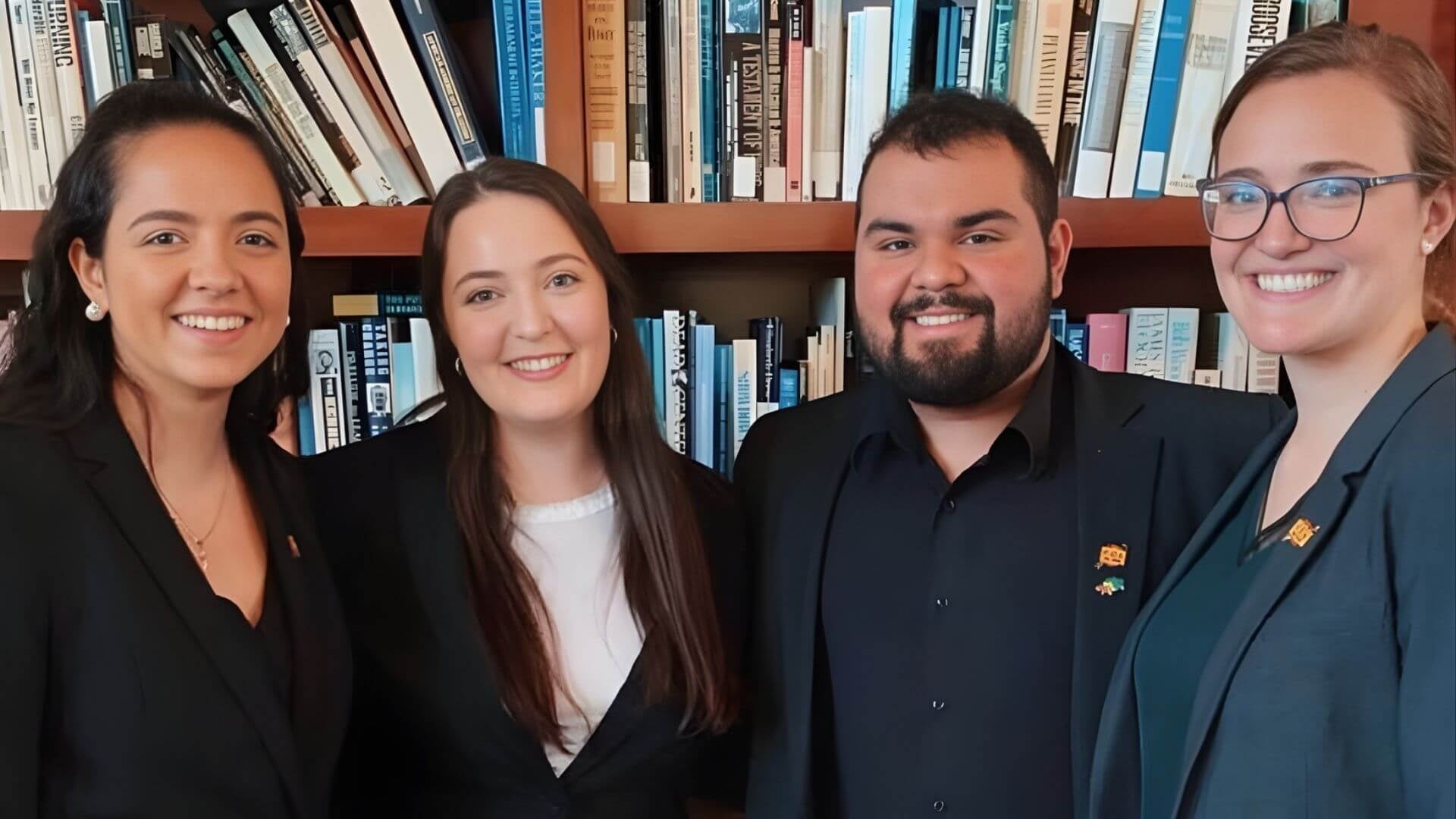
Several experiences at the School were especially formative, particularly LaTour’s participation in the Rawlings Undergraduate Leadership Fellows Program and her membership in the public policy professional fraternity at the University of Maryland, Kappa Omega Alpha. She credits mentors like Associate Dean Nina Harris and Professor Eric Luedtke with shaping her understanding of leadership and advocacy. LaTour also recalled a class volunteer day at A Wider Circle, a nonprofit that supports individuals and families transitioning out of homelessness. The experience helped connect policy frameworks discussed in class with the realities people face day-to-day. “It taught me that institutional change isn’t only about laws and legislation,” said LaTour. “It’s also about meeting people right where they are and understanding the real-world conditions shaped by those policies.”
For students who feel drawn to helping others but don’t see themselves in traditional government roles, LaTour emphasizes that public service happens in many settings. In clinics, schools, nonprofits and community organizations, policy training informs work that often unfolds one conversation at a time. “If your instinct is to help people, trust that,” said LaTour. “There are many ways to do public service, and all of them matter.”